CCNA Certification Cost in Delhi

Delhi has become one of India’s leading hubs for IT training and networking certifications, attracting students, fresh graduates, and working professionals who want to build careers in networking, cybersecurity, and IT infrastructure. Among the most popular entry-level networking certifications is the Cisco Certified Network Associate (CCNA) certification. Before enrolling, many candidates search for the CCNA certification cost in Delhi to understand training fees, certification expenses, and career benefits.
Whether you are a beginner planning to enter networking or an IT professional looking to upgrade skills, understanding the CCNA certification cost in Delhi can help you make better career decisions.
In this detailed guide, we will discuss everything related to CCNA certification cost in Delhi, including course fees, exam cost, salary opportunities, course duration, and exam difficulty.
CCNA Certification Cost in Delhi
The Cisco Certified Network Associate (CCNA) certification is an entry-level networking credential offered by Cisco. It validates skills in:
- Routing and switching
- IP addressing
- Network security
- Wireless networking
- Troubleshooting
- Automation basics
The complete CCNA certification cost in Delhi generally includes:
- Training fees
- Cisco exam fees
- Study materials
- Lab practice
Since Delhi has many networking institutes, the pricing may vary depending on institute reputation, infrastructure, and practical training quality.
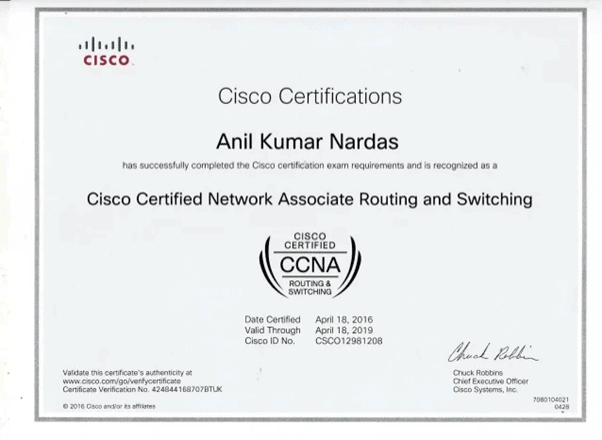
CCNA Course Fees in Delhi
One of the most commonly searched topics is CCNA course fees in Delhi.
The average CCNA course fees in Delhi generally range between:
₹15,000-₹45,000
The exact fee depends on:
- Classroom or online learning
- Trainer expertise
- Practical Cisco labs
- Placement support
- Course duration
Premium networking institutes offering hands-on enterprise networking labs may charge higher fees.
The total CCNA certification course fee in Delhi may increase when certification exam fees are included.
What is the Cost for CCNA Certification?
Many learners ask: What is the cost for CCNA certification?
The answer depends on whether you choose:
Self-Study
Candidates pay mostly for:
- Cisco exam fees
- Practice labs
- Study materials
Estimated cost:
₹30,000-₹40,000
Instructor-Led Training
Candidates also pay for:
- Classroom coaching
- Hands-on networking labs
- Mock tests
- Placement support
Estimated total:
₹40,000-₹70,000
Therefore, the overall CCNA certification cost in Delhi may vary depending on your learning method.
CCNA Certification Cost in India
Many candidates compare the CCNA certification cost in India across different cities.
The average CCNA certification cost in India generally includes:
Expense Type | Approximate Cost |
CCNA Training | ₹15,000-₹45,000 |
Cisco Exam Fee | ₹25,000-₹27,000 |
Study Materials | ₹3,000-₹5,000 |
Total Cost | ₹40,000-₹70,000 |
Metro cities such as Delhi, Bangalore, Pune, and Hyderabad may charge slightly higher training fees due to better infrastructure and trainer quality.
The CCNA certification cost in Delhi remains competitive compared to other major cities.
CCNA Certification Cost in INR
Candidates often search for the CCNA certification cost in inr before certification planning.
The approximate CCNA certification cost in inr includes:
Official Cisco Exam Fee
Approximately:
₹25,000-₹27,000 INR
Training Cost
Approximately:
₹15,000-₹45,000 INR
Therefore, the total CCNA certification cost in Indian rupees generally ranges between:
₹40,000 and ₹70,000
However, candidates preparing independently may reduce the overall expense.
CCNA Certification Cost in Indian Rupees
The CCNA certification cost in Indian rupees depends heavily on training choices.
Budget-Friendly Option
Self-study with online resources:
₹30,000-₹40,000
Professional Coaching Option
Instructor-led learning:
₹40,000-₹70,000
The final CCNA certification cost fees depend on:
- Training quality
- Lab access
- Exam preparation support
- Certification mentoring
Candidates should focus on practical networking skills rather than only selecting low-cost training.
Tips to Save Money on CCNA Course Fees
If you want to minimize expenses but still prepare effectively:
- Use free lab simulators (GNS3, Packet Tracer) instead of paid labs.
- Buy second-hand or older edition study materials.
- Join online study groups or forums — peer support often replaces costly tuition.
- Use MOOCs or free networking courses for foundational knowledge before enrolling.
- Opt for online batches or weekend courses in off-peak cities (Hyderabad, Kolkata etc.).
With discipline and smart planning, you can successfully pass CCNA at minimal cost.
CCNA Career Opportunities, Salary & Growth Path
Choosing a CCNA course is not just about understanding networking concepts—it is about building a long-term career in the IT industry. After completing the CCNA certification, candidates unlock multiple job opportunities across industries such as IT services, telecom, cloud computing, and cybersecurity.
💼 Job Roles After CCNA
Once you complete your CCNA training, you can apply for roles like:
- Network Support Engineer
- Network Administrator
- NOC Engineer (Network Operations Center)
- System Administrator
- IT Support Engineer
These are entry-level roles that help you gain hands-on experience and grow in the networking domain.
💰 Salary After CCNA in India
One of the biggest advantages of CCNA certification is its strong salary potential. In India:
- Freshers can earn between ₹3 LPA to ₹6 LPA
- With 2–4 years of experience: ₹6 LPA to ₹10 LPA
- Advanced roles (after CCNP): ₹12 LPA+
Compared to non-certified candidates, CCNA-certified professionals often receive better job opportunities and higher starting salaries.
📈 Career Growth Path
CCNA is just the beginning. After gaining experience, you can move ahead in your career by pursuing advanced certifications:
- CCNP (Cisco Certified Network Professional)
- CCIE (Cisco Certified Internetwork Expert)
- Specializations in cybersecurity, cloud, or automation
This structured growth path makes CCNA one of the best entry points into the IT industry.
CCNA Course Duration & Learning Modes
The duration of a CCNA course depends on your learning mode:
- Fast-track training: 6–8 weeks
- Regular batches: 3–4 months
- Self-paced learning: Flexible
Many institutes also offer weekend and online batches, making it suitable for students and working professionals.
Self-Study vs Paid CCNA Course (Which is Better?)
Here’s a quick comparison to help you decide:
| Learning Type | Cost | Guidance | Labs | Best For |
|---|---|---|---|---|
| Self-study | Low | ❌ | Limited | Disciplined learners |
| Online course | Medium | ✔️ | ✔️ | Flexible learners |
| Classroom training | High | ✔️✔️ | ✔️✔️ | Beginners |
While self-study is affordable, a structured course provides mentorship, lab access, and better exam preparation.
Career Opportunities After Completing CCNA Certification
The demand for networking professionals continues to grow as companies increasingly depend on secure and reliable IT infrastructure. After completing the CCNA certification, candidates can apply for multiple entry-level and mid-level networking roles across industries such as IT services, cloud computing, telecom, banking, healthcare, and cybersecurity.
Popular Job Roles After CCNA
Some of the most common career opportunities available after completing CCNA include:
- Network Engineer
- Network Support Engineer
- System Administrator
- Technical Support Engineer
- IT Infrastructure Engineer
- Network Security Associate
- NOC Engineer (Network Operations Center)
These job roles provide strong career growth opportunities and help candidates build a foundation for advanced certifications such as CCNP, CyberOps, and cloud networking certifications.
Average Salary After CCNA Certification
The salary after CCNA certification depends on experience, technical skills, and location. Freshers with CCNA certification in India typically earn between ₹2.5 LPA and ₹5 LPA. Professionals with practical networking knowledge and hands-on lab experience may receive even better salary packages.
Experienced networking professionals who upgrade to advanced Cisco certifications often move into higher-paying roles related to enterprise networking, security, and cloud infrastructure
Skills You Will Learn During CCNA Training
A complete CCNA training program focuses on both theoretical networking concepts and practical configuration skills. During the course, students learn how to install, configure, manage, and troubleshoot modern computer networks.
Core Networking Skills Covered
A standard CCNA course usually includes:
- IP addressing and subnetting
- Routing and switching concepts
- VLAN configuration
- Network security fundamentals
- Wireless networking basics
- NAT and DHCP configuration
- Access Control Lists (ACLs)
- Network troubleshooting techniques
- Automation and programmability basics
Hands-on lab practice using Cisco Packet Tracer and networking simulators helps students gain real-world practical experience.
Why CCNA Remains Valuable in 2026
Even with the rise of cloud computing and automation, networking remains the backbone of modern IT infrastructure. Organizations still require skilled professionals who understand routing, switching, network security, and infrastructure management.
CCNA certification continues to be one of the most recognized entry-level IT certifications globally because it validates practical networking knowledge and improves job opportunities for both freshers and working professionals
How to Choose the Best CCNA Training Institute
Selecting the right training provider is extremely important for successful CCNA preparation. Before enrolling in any CCNA course, students should evaluate several important factors.
Important Factors to Consider
- Experienced and certified trainers
- Availability of practical lab sessions
- Updated CCNA 200-301 syllabus
- Mock tests and interview preparation
- Flexible online and offline batch timings
- Placement assistance and career guidance
- Access to recorded sessions and study materials
A good training institute not only helps students pass the CCNA exam but also develops practical networking skills required in real IT environments.
Career Opportunities After Completing CCNA Certification
The demand for networking professionals continues to grow as companies increasingly depend on secure and reliable IT infrastructure. After completing the CCNA certification, candidates can apply for multiple entry-level and mid-level networking roles across industries such as IT services, cloud computing, telecom, banking, healthcare, and cybersecurity.
Popular Job Roles After CCNA
Some of the most common career opportunities available after completing CCNA include:
- Network Engineer
- Network Support Engineer
- System Administrator
- Technical Support Engineer
- IT Infrastructure Engineer
- Network Security Associate
- NOC Engineer (Network Operations Center)
These job roles provide strong career growth opportunities and help candidates build a foundation for advanced certifications such as CCNP, CyberOps, and cloud networking certifications.
Average Salary After CCNA Certification
The salary after CCNA certification depends on experience, technical skills, and location. Freshers with CCNA certification in India typically earn between ₹2.5 LPA and ₹5 LPA. Professionals with practical networking knowledge and hands-on lab experience may receive even better salary packages.
Experienced networking professionals who upgrade to advanced Cisco certifications often move into higher-paying roles related to enterprise networking, security, and cloud infrastructure.
Skills You Will Learn During CCNA Training
A complete CCNA training program focuses on both theoretical networking concepts and practical configuration skills. During the course, students learn how to install, configure, manage, and troubleshoot modern computer networks.
Core Networking Skills Covered
A standard CCNA course usually includes:
- IP addressing and subnetting
- Routing and switching concepts
- VLAN configuration
- Network security fundamentals
- Wireless networking basics
- NAT and DHCP configuration
- Access Control Lists (ACLs)
- Network troubleshooting techniques
- Automation and programmability basics
Hands-on lab practice using Cisco Packet Tracer and networking simulators helps students gain real-world practical experience.
How to Choose the Best CCNA Training Institute
Selecting the right training provider is extremely important for successful CCNA preparation. Before enrolling in any CCNA course, students should evaluate several important factors.
Important Factors to Consider
- Experienced and certified trainers
- Availability of practical lab sessions
- Updated CCNA 200-301 syllabus
- Mock tests and interview preparation
- Flexible online and offline batch timings
- Placement assistance and career guidance
- Access to recorded sessions and study materials
A good training institute not only helps students pass the CCNA exam but also develops practical networking skills required in real IT environments.
Why CCNA Remains Valuable in 2026
Even with the rise of cloud computing and automation, networking remains the backbone of modern IT infrastructure. Organizations still require skilled professionals who understand routing, switching, network security, and infrastructure management.
CCNA certification continues to be one of the most recognized entry-level IT certifications globally because it validates practical networking knowledge and improves job opportunities for both freshers and working professionals
Conclusion
CCNA remains a highly relevant and accessible certification in 2025 — thanks to its flexible eligibility, global recognition, and varying training-cost options. Whether you choose self-study or instructor-led course, the certification cost remains moderate and offers significant return on investment.
For most learners in India and other regions, CCNA course fees range from ₹15,000 to ₹45,000, making it affordable for students, freshers, and working professionals.
If you’re looking to build a career in networking or IT infrastructure, CCNA certification — and its associated course — remains a worthwhile, high-impact investment.
