CISA Renewable: Complete Guide to CISA Certification Renewal
The CISA renewable process is a critical requirement for professionals who want to maintain the value, credibility, and global recognition of the Certified Information Systems Auditor (CISA) credential. Issued by ISACA, the CISA certification is one of the most respected qualifications in information systems auditing, risk management, governance, and cybersecurity.
If you already hold a CISA certification—or are planning to earn one—understanding how renewal works, whether the certificate expires, the annual renewal fee, and current market demand is essential. This detailed, SEO‑oriented guide explains everything you need to know about CISA renewable, while also covering related topics such as CISA certification course, CISA free certification, CISA study guide PDF, CISA QAE, CISA training, and CISA study material.
What Is CISA Certification?
The Certified Information Systems Auditor (CISA) certification is offered by ISACA and is designed for professionals who audit, control, monitor, and assess an organization’s information technology and business systems. It validates expertise in IT governance, risk management, system acquisition, development, and information security.
Due to the rapidly evolving nature of technology and cybersecurity threats, ISACA requires certified professionals to follow a structured CISA renewable process to ensure their knowledge remains current and relevant.
CISA Renewable: Understanding the Renewal Process
The CISA renewable framework ensures that certified professionals continuously enhance their skills and stay aligned with industry best practices. Renewal is not optional; it is mandatory to keep the certification active.
The renewal process is based on three key requirements:
- Annual Continuing Professional Education (CPE) credits
- Payment of the annual maintenance fee
- Compliance with ISACA’s Code of Professional Ethics
Failure to meet any of these requirements can result in suspension or revocation of the certification.
How Do You Renew Your CISA Certification?
Renewing your CISA certification involves earning and reporting Continuing Professional Education (CPE) hours and paying the annual maintenance fee. The steps below outline the standard CISA renewable procedure:
1. Earn Required CPE Credits
CISA holders must earn:
- At least 20 CPE hours each year, and
- A minimum of 120 CPE hours over a three‑year cycle
CPE activities can include:
- Attending ISACA conferences and seminars
- Participating in CISA training programs
- Completing webinars and online courses
- Teaching or mentoring in IT audit or security domains
- Publishing articles or research related to information systems auditing
2. Report CPE Hours to ISACA
All earned CPE credits must be reported through the ISACA portal. Accurate documentation is essential in case of audits.
3. Pay the Annual Maintenance Fee
The renewal process is finalized once the annual fee is paid. This fee supports certification administration and professional resources.
By completing these steps consistently, you ensure uninterrupted CISA renewable status.
Does a CISA Certificate Expire?
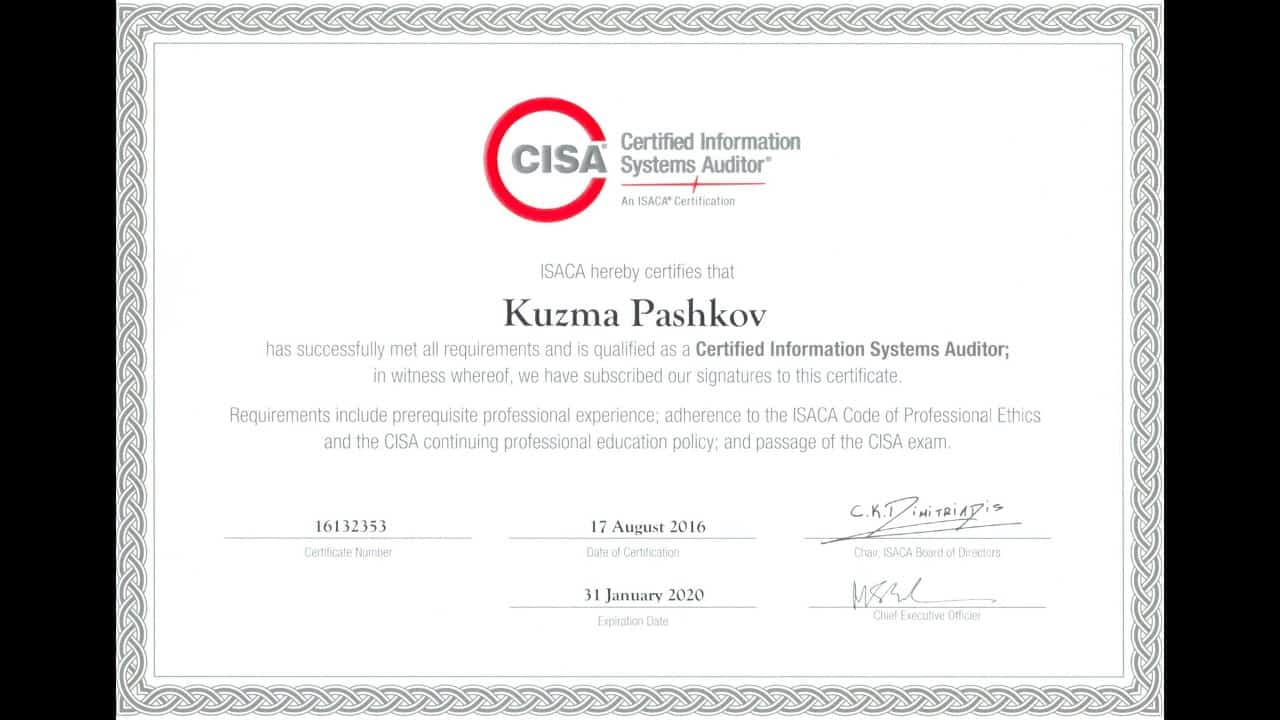
Yes, a CISA certificate can effectively expire if renewal requirements are not met. While the certificate does not have a printed expiration date, ISACA considers the certification inactive if:
- Required CPE credits are not earned or reported
- Annual maintenance fees are not paid
- Ethical standards are violated
If the certification becomes inactive, the individual is no longer authorized to use the CISA designation. Prolonged non‑compliance can lead to permanent revocation, requiring re‑certification through examination.
This is why understanding the CISA renewable process is crucial for long‑term career continuity.
How Much Is the CISA Annual Renewal Fee?
The CISA annual renewal fee depends on ISACA membership status:
- ISACA members: Lower annual maintenance fee
- Non‑members: Higher annual maintenance fee
The fee must be paid every year, regardless of how many CPE hours are earned. Many professionals choose ISACA membership because it reduces renewal costs and provides access to exclusive resources, including CISA study material, research publications, and networking opportunities.
Staying current with fee payments is a non‑negotiable part of the CISA renewable cycle.
Is CISA Certification in Demand?
Yes, CISA certification is highly in demand across global markets. Organizations increasingly rely on certified professionals to manage IT risk, ensure regulatory compliance, and strengthen cybersecurity frameworks.
Reasons for High Demand
- Growing cybersecurity threats
- Increased regulatory and compliance requirements
- Expansion of digital transformation initiatives
- Demand for IT governance and audit professionals
CISA‑certified professionals commonly work in roles such as:
- IT Auditor
- Information Security Manager
- Risk and Compliance Analyst
- Internal Auditor
- IT Governance Consultant
Maintaining your credential through the CISA renewable process ensures you remain competitive in this high‑growth job market.
Role of CISA Certification Course in Renewal and Career Growth
A CISA certification course is not only useful for exam preparation but also valuable for earning CPE credits during renewal. Many accredited training providers offer advanced courses aligned with ISACA’s domains, allowing professionals to:
- Refresh technical knowledge
- Learn about new regulatory standards
- Earn structured CPE hours
Enrolling in periodic training programs simplifies the CISA renewable process while enhancing professional expertise.
Is There a CISA Free Certification Option?
ISACA does not offer a fully CISA free certification. The exam, certification, and renewal all involve fees. However, candidates can access several free or low‑cost resources, such as:
- Free ISACA webinars (eligible for CPE)
- Community study groups
- Introductory learning sessions
- Trial access to learning platforms
While these options do not replace official certification, they can significantly reduce preparation and renewal costs.
Importance of CISA Study Guide PDF
A CISA study guide PDF is one of the most widely used resources for both exam preparation and ongoing professional reference. These guides typically cover:
- All five CISA domains
- Practical audit case studies
- Governance and risk frameworks
- Sample questions and explanations
Using updated study guides helps certified professionals stay aligned with evolving ISACA standards, indirectly supporting the CISA renewable requirement.
Understanding CISA QAE (Questions, Answers & Explanations)
CISA QAE resources are considered essential for mastering exam concepts and maintaining domain expertise. They provide:
- Realistic practice questions
- Detailed explanations
- Scenario‑based problem solving
Even after certification, reviewing QAE materials helps professionals refresh core concepts, making them valuable tools for long‑term CISA renewable compliance.
CISA Training and Its Role in CPE Compliance
Formal CISA training programs—both online and classroom‑based—are one of the easiest ways to earn CPE credits. These programs are structured, documented, and widely accepted by ISACA.
Benefits include:
- Guaranteed CPE eligibility
- Exposure to real‑world audit scenarios
- Interaction with industry experts
Many professionals plan their annual CISA renewable strategy around structured training programs.
Best CISA Study Material for Long‑Term Success
High‑quality CISA study material plays a role beyond exam preparation. It helps professionals:
- Stay updated on frameworks like COBIT and ISO
- Understand evolving audit methodologies
- Maintain technical accuracy in daily work
Reliable study material ensures you remain audit‑ready, compliant, and confident throughout your certification lifecycle.
Why CISA Renewable Matters for Your Career
The CISA renewable requirement is not merely an administrative process—it is a professional safeguard. It ensures that certified individuals continue to deliver value, credibility, and ethical assurance in an ever‑changing IT landscape.
Professionals who actively manage renewal benefit from:
- Sustained global recognition
- Higher salary potential
- Improved job security
- Greater trust from employers and clients
How to Renew Your CISA Certification: Step-by-Step Guide
Renewing your Certified Information Systems Auditor (CISA) certification is a straightforward process if you follow the correct steps and stay consistent with your Continuing Professional Education (CPE) activities. Below is a simple step-by-step guide to help you maintain your certification without stress.
Step 1: Earn Required CPE Credits
To renew your CISA certification, you must earn at least 20 CPE hours annually and 120 CPE hours over three years.
These credits ensure that your knowledge remains up to date with evolving IT audit, cybersecurity, and governance practices.
You can earn CPE credits through:
- Online training courses and certifications
- Webinars and virtual events
- Industry conferences
- Teaching or mentoring
- Writing articles or research papers
- Volunteering in professional communities
Step 2: Track and Record Your CPE Activities
It is important to maintain proper documentation for all your CPE activities. Keep records such as:
- Certificates of completion
- Attendance proof
- Activity descriptions and duration
This will help you in case of audits and ensure smooth renewal.
Step 3: Report CPE Hours to ISACA
Once you earn your CPE credits, log in to your ISACA account and report them under the CPE management section. Make sure:
- All entries are accurate
- Activities are relevant to CISA domains
Timely reporting helps avoid last-minute issues.
Step 4: Pay the Annual Maintenance Fee
To keep your certification active, you must pay the annual renewal fee.
- ISACA Members: Lower fee
- Non-members: Higher fee
The fee must be paid before the renewal deadline each year.
Step 5: Stay Compliant with Professional Standards
CISA professionals must follow:
- ISACA Code of Professional Ethics
- IT auditing standards
Failure to comply may result in suspension or revocation of certification
Benefits of Renewing Your CISA Certification
Renewing your CISA certification offers several long-term advantages:
- Keeps your skills updated with the latest cybersecurity trends
- Enhances your credibility in IT auditing and risk management
- Improves job opportunities and salary potential
- Demonstrates commitment to continuous learning
Professionals who maintain active certifications are more trusted by employers and clients.
What Happens If You Don’t Renew Your CISA?
If you fail to meet renewal requirements:
- Your certification may become inactive or revoked
- You may need to pay penalties or reapply
- In some cases, retaking the exam may be required
This makes timely renewal extremely important for your career.
Tips to Easily Maintain Your CISA Certification
- Start earning CPE credits early in the year
- Attend regular webinars and training sessions
- Join professional communities for learning opportunities
- Keep a monthly record of completed activities
- Set reminders for reporting and fee payment
Final Thoughts on CISA Renewable
Maintaining your CISA certification through a structured CISA renewable process is essential for long‑term professional success. By earning regular CPE credits, paying the annual renewal fee, and staying engaged with continuous learning through CISA certification courses, CISA training, CISA QAE, and updated CISA study material, you protect the value of your credential.
In a market where IT risk and governance expertise is in high demand, keeping your CISA active is not just recommended—it is a strategic career decision.
